Why “Brut” Unwashed Denim Is the Secret to a Lifetime Pair of Jeans
Most people buy jeans based on how they feel in the fitting room. Soft, flexible, already faded, easy to wear. That makes sense in the moment, but it usually leads to jeans that wear out faster than expected.
Raw, or “brut,” denim works the opposite way. It feels stiff at first, sometimes even uncomfortable. But if you stick with it, it turns into a pair of jeans that fits better, lasts longer, and looks more natural over time.
The real question isn’t just why raw denim is better. It’s how to actually use it properly so you get those results.
When Raw Denim Actually Makes Sense
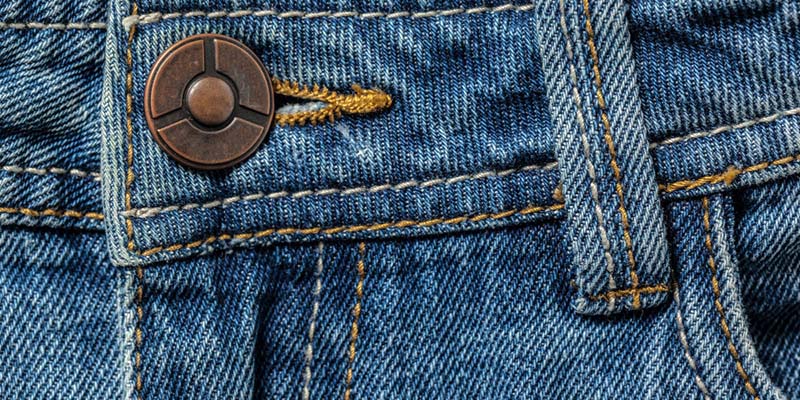
Raw denim is not a good pick for every day or every situation. It is a specific choice that works best if you care more about how long your pants will last rather than how soft they feel the first time you put them on [1].
Choose raw denim if:
You want a pair of jeans that you can wear for many years without them falling apart or getting holes.
You like the look of cloth that changes and ages naturally as you move, instead of staying the same color.
You do not mind a short time where the fabric feels stiff while you break them in.
Skip it if:
You want your pants to be soft the moment you buy them.
You have too many pairs and know you will not wear this pair often.
You like jeans that have a lot of stretch or feel very thin.
Raw denim pays you back for wearing it often. If the jeans just sit in your closet, they will never look right.
How to Choose the Right Pair (Without Overthinking It)
A lot of guides get too technical here. You don’t need to memorize everything. Focus on a few practical things.
1. Fabric Weight (This Matters More Than You Think)
Denim weight changes how the jeans feel and how long they last.
12–14 oz (medium weight) = best starting point, easy to wear daily
14–18 oz (heavyweight) = tougher, takes longer to break in
Under 12 oz = lighter, but less durable
If you’re new, go with midweight. Heavy denim sounds appealing but can feel frustrating early on.
2. 100% Cotton vs Stretch
If your goal is a long-lasting pair, stick with 100% cotton.
Stretch denim:
- feels better at first
- loses shape faster
- breaks down sooner
Cotton-only denim:
- holds structure
- fades better
- is easier to repair
Stretch is fine for comfort, but not ideal for longevity.
3. Fit Comes Before Everything
Even the best denim won’t work if the fit is wrong.
Focus on:
- comfortable waist from day one
- room in thighs (too tight = faster wear)
- natural movement when sitting and walking
Don’t size down expecting it to stretch a lot. It will loosen slightly, not completely reshape.
4. Selvedge
Selvedge denim is often better made, but it’s not the only option.
A simple rule:
- if the fabric feels dense and solid, it’s usually good
- if it feels thin and flimsy, it won’t last
Selvedge just makes it easier to find higher-quality pairs.
Brands Worth Looking At
You don’t need to chase rare or expensive labels. Start with reliable ones [4].
Good entry to mid-range options:
- Uniqlo Selvedge (budget-friendly start)
- Levi’s Made & Crafted / Vintage lines
- Nudie Jeans (also offers repairs)
- A.P.C. (clean, minimal raw denim)
Higher-end options:
- Iron Heart (very heavy denim)
- Samurai Jeans
- Pure Blue Japan
The difference mostly comes down to fabric weight, finish, and details. The basics still matter more than the label.
The Break-In Period
Most people stop wearing their new jeans way too soon. They give up because the fabric is not like the soft pants found at the local mall. At the start, raw denim will feel very different. You might notice that they are:
- stiff and board-like when you walk
- slightly rough against your skin
- harder to move your legs in
This tough phase usually lasts for a few weeks of daily wear. You have to keep putting them on every morning even if they feel tight or heavy. After some time, the clothes change:
- the heavy fabric begins to soften up
- deep creases form in natural places where you bend
- the overall fit becomes much more comfortable
Those early creases are very important for the look of the pants later. They act like a map that tells the blue dye where to fade away as you walk. If you push through the first month, you get a pair of jeans that fits only you. This is why true fans love them.
How to Wear Raw Denim for Better Fades
If you want that personalized look, your daily habits matter more than anything else.
- wear the same pair regularly
- keep items in pockets consistent
- sit, walk, move normally (don’t overthink it)
Fading happens where the fabric bends and rubs. That’s why no two pairs look the same after months of wear.
When and How to Wash Raw Denim
There’s a lot of confusion here. You don’t need extreme rules.
When to Wash
- after a few months of regular wear
- when they actually feel dirty
- when odor or buildup is noticeable
Waiting too long can weaken the fabric because dirt acts like friction [3].
How to Wash
- turn jeans inside out
- use cold water
- use mild detergent
- avoid heavy spin cycles
Drying
- air dry only
- avoid dryers (they weaken fibers and fade color unevenly)
Washing less helps, but never washing at all usually causes more damage over time.
What Makes Raw Denim Last Longer
Taking care of your gear does not have to be a full time job. A few simple things make a big difference in how long they last and how good they look. If you follow these basic steps, you can keep your favorite items in great shape for many years.
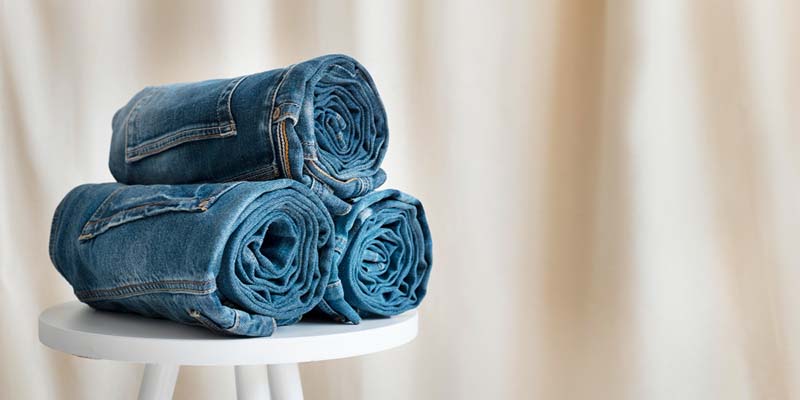
Give them a break: You should rotate your clothes occasionally instead of wearing the same pair daily without any breaks. This lets the fibers rest and snap back into their original shape.
Fix problems fast: You need to repair small holes early before they get too big to fix. A tiny tear in the cloth can quickly turn into a massive rip that ruins the whole look.
Wash less often: You should avoid constant washing because the water and soap break down the heavy fabric. Spot clean small stains with a wet cloth instead of using a machine.
Keep them neat: You must store your items properly instead of crumpling them into a messy pile on your bedroom floor.
Small fixes and good habits can easily add years to a pair of jeans. Take a few minutes to check on your clothes right now.
Why Raw Denim Still Stands Out
Most of the jeans you find in stores today are made to feel soft and broken in the very first time you put them on in the fitting room. While this feels nice right away, it usually means that the factory has already used up part of the life of the fabric before you even pay for them. They often use harsh chemicals and big machines to make the denim look old or worn out.
Raw denim is the opposite because it starts out completely untouched. It does take a lot more time to feel right on your body but it gives you total control over how the heavy pants will age and fade over many years.
What to keep in mind:
- You are not just buying a finished product from a store shelf.
- You are starting with a raw material that changes every single time you wear it.
- The marks and fades come from your own life and your daily habits.
This makes your jeans look unique to you.
The Cost Perspective (What You’re Actually Paying For)
Raw denim usually costs more upfront, often between $180 and $350 depending on brand and fabric [2].
But the comparison only makes sense over time.
- cheap jeans = replaced every year or two
- raw denim = worn for several years
A single good pair often ends up cheaper than buying multiple replacements.
Why Raw Denim Fits The Shift Away From Disposable Fashion
“Brut” denim is not a secret because nobody knows it exists. It is a secret because most of the clothing market has trained people to want the opposite. Soft immediately. Faded immediately. Comfortable immediately. Replaceable soon after.
Raw denim asks for a different attitude. It asks for patience, for a little discomfort at the beginning, and for the willingness to let clothing take on your habits instead of someone else’s design idea of wear.
In return, you get stronger fabric, less industrial damage at the start, more personal fading, and a much better chance of ending up with the rare thing.
References
[1] United Nations Environment Programme: The environmental impact of fashion production and textile processing. https://www.unep.org/news-and-stories/story/putting-brakes-fast-fashion
[2] Stockholm Environment Institute Ecological footprint and water analysis of cotton, hemp and polyester. https://www.sei.org/publications/ecological-footprint-water-analysis-cotton-hemp-polyester/
[3] Levi Strauss & Co. Sustainability Report: Consumption and Circularity. https://www.levistrauss.com/sustainability/
[4] Nudie Jeans Co. Repair and reuse program: Closing the loop on denim. https://www.nudiejeans.com/blog/closing-loops
Related Posts
How to Buy a Real Ethical Engagement Ring (Without Getting Fooled)
How Fashion Brands Greenwash Sustainability (and What to Watch For)
2026 Sustainable Dresses Trends: Fabrics, Colors, And Silhouettes To Watch

Best Sustainable Winter Jackets For Warmth And Everyday Wear
How Recycled Polyester Reduces Waste And What To Check